

Joint Venture Physiotherapy
  • Home
  • Our Team
  • Services
  • Contact
  • Blog
  • Canine Services

Joint Venture Physiotherapy Blog

RSS Feed

Benefits of Exercising In Water

8/8/2017

95 Comments

 
Picture
Many people who suffer from joint pain from conditions such as arthritis, or are recovering from an injury, benefit the most from water-based exercises.

Water exercises allows you to get a full-body workout without putting stress on the joints. Both low and high impact exercises are much easier to perform in the water which supports the body’s weight, minimizing any pain that normally results. This means exercising in the water limits your risk of aggravating chronic injuries and encourages a faster recovery in combination with physiotherapy treatments.

Don't be fooled by the lack of sweat produced during exercise in the water. Not only is it easier, but the added resistance actually allows you to get the most out of your exercise. A person who weighs 150lbs. can burn 272 calories in one hour.

Benefits:
  • Water’s buoyancy reduces the impact on joints.
  • Exercising in water improves cardiovascular fitness, flexibility, balance and range of motion.
  • Heated pools can help soothe pain while keeping the body cool during exercise.
  • Water has greater resistance than air so that more effort is required during exercise. This means you are burning more calories than both strength and cardio exercises that are performed on land.
  • Water exercises are one of the best options for people with arthritis who normally experience swelling, immobility and pain.

​Adding water exercises in conjunction with regular physiotherapy treatments can increase the speed of recovery as well as decrease joint pain. Contact your local recreation centre for aquatic exercise classes that suit your needs.
95 Comments

Fit Exercise Into Your Daily Routine

8/8/2017

14 Comments

 
Picture
Most people find it’s hard to set aside time for an exercise regime with a busy schedule, and if there is time, you’re usually too tired to have motivation. Making small changes in your daily routine can be just as effective as going to the gym a couple times a week. Here are some simple ways to be more physically active at home, at work and at play to help you maintain good health.

At Home
  • Plan housework so that you incorporate more trips up and down the stairs and more squatting.
  • Skip the riding lawn mower and work in the garden by raking leaves, pruning, digging and pick up trash.     
  • Walk more. Go out for a short walk before or after meals for 15-30 minutes.
  • Walk or bike to work or to the local store.
  • Increase your heart rate while walking with a brisker pace. Don’t take shortcuts and choose a route with an incline.
  • When lounging or watching TV, sit up instead of lying on the sofa.
  • Pace around while talking on the telephone.
  • Park farther away at the mall and walk the extra distance. Wearing comfortable walking shoes will encourage you to walk around more while shopping.

At the Office
  • Walk down the hall to speak with someone rather than using the telephone.     
  • Take the stairs instead of the elevator.      
  • Join a fitness centre near your job so you can fit in a workout immediately before or after work.
  • Make exercise an appointment by scheduling it in your calendar.
  • Get off the bus a few stops early and walk the rest of the way.
  • Walk around your building on your lunch break.
​
At Play
  • Plan activities with families and friends that involve physical activity like hiking, backpacking, swimming, tennis etc.
  • Visit new places or your favourite hangout by walking, jogging or bicycling around the area.
  • Play your favourite music while exercising to add motivation and fun.
  • Find an activity that you love. Make it a hobby, not a chore.
  • Join a recreational club in your community during the summer that involves physical activity.
  • When golfing, ditch the cart and walk instead.
14 Comments

Boost your Brain Health with Physical Activity

8/8/2017

19 Comments

 
Picture

A recent study of the relation of physical activity to brain health revealed that regular exercise may decrease the risk of dementia, a disease causing memory loss. It found that older people had an almost 40% lower risk of dementia when they exercised regularly during the week for 30 minutes compared to those who were less active.

Even after researchers examined factors that can affect memory and thinking ability, such as age, history of stroke, and diabetes, the benefits of physical activity on brain health was still evident. The majority of people studied were suffering from a form of dementia known as vascular dementia. Vascular dementia is related to inadequate blood flow in the brain. Since exercise increases blood flow throughout the body, this connection was undeniable.
​
Maintaining brain health as you age can only be another benefit to add to the overwhelming health advantages of regular physical activity. Now, not only are you feeling happier, healthier and reducing your risk of heart attack and stroke, but you may also be decreasing your risk of dementia, especially the kind of dementia that is related to blood circulation.
19 Comments

Strengthening Your Body

8/6/2017

23 Comments

 
Picture
People of all ages and abilities can get important health benefits by doing regular strength training.
​
Benefits of strength training activities include:
  • Plays a factor to development and maintenance of strong bones
  • Controls weight and obesity
  • Helps to reduce the risk of injury
  • Improves your mental health and overall well-being
  • Can lead to longer periods of sleep
  • Can help the management of chronic conditions, such as osteoporosis and diabetes.
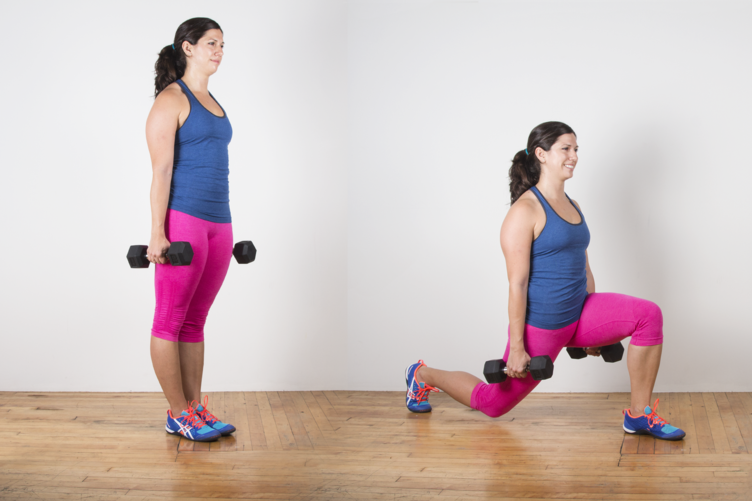
Activities such as push-ups, stair-walking, lunges, resistance bands and squats are simple and easy ways to improve your muscle tone and overall health and fitness. These, and many other strength training, can be done at home, at a gym and with or without equipment.

Before trying a new exercise or a new exercise equipment, consult a physiotherapist or do research on how to correctly do the exercise or use the equipment. It is beneficial to consult a physiotherapist before starting any exercise routine.

It is important to be aware of your current fitness level before starting any strength training program in order to avoid muscle soreness and injuries. Slowly and gradually increase reps, resistance and intensity overtime and remember to always warm up before beginning.
23 Comments

10 Ways to Find Time to Exercise

8/6/2017

5 Comments

 
  1. Be less efficient. Make daily tasks harder whether it's going back and forth to the car with grocery bags or carrying less laundry, forcing more trips.
  2. Skip the labor-saving devices. Although it’s tempting and saves time and effort, choosing the harder way to do chores and run errands creates the added benefit of exercise. Wash the car by hand or choose a push lawn mower over a riding one.
  3. Going somewhere? Take the long way. The easiest way to fit exercise into daily routines is walking or biking over driving, taking stairs over escalators and elevators, or even parking further from the entrance in a lot.
  4. Be a morning person. One of the biggest reasons preventing people from exercise is the lack of motivation after a long and stressful day. Finding time in the morning will create a positive start for the day that will be easier to remain a permanent part of daily routines.
  5. Ink the deal. Planning the time and duration, and setting an alarm for it, of any exercise ahead of time gives the illusion of a mandatory appointment.
  6. Watch your step. Tracking the amount of steps taken throughout the day with pedometers is excellent motivation to improve the numbers and gradually increase exercise.
  7. Hire the right help. Many exercises can pose the risk of injury if they are performed by amateurs. Hire a personal trainer at the local gym who will create and monitor an exercise plan that suits individual needs.
  8. Keep records. Use a diary or logbook to track down the type of exercises performed each day with the duration and repetitions. Blank pages are motivation to fit in more time for exercise.
  9. Do what you like. There is no excuse for disliking exercise when there are so many ways to stay active. Whether it’s dancing, swimming, biking, walking, running, canoeing, hiking or yoga, there are endless opportunities to find a new hobby while keeping fit.
5 Comments
<<Previous
Forward>>

    Archives

    October 2018
    December 2017
    August 2017

    Categories

    All
    Arthritis
    Back Pain
    Exercise
    Healthy Living
    Joint
    Physical Activity
    Physiotherapy
    Sports Injuries
    Stroke
    Summer
    Tips

    RSS Feed

© Joint Venture Physiotherapy 2020. All rights reserved.
  • Home
  • Our Team
  • Services
  • Contact
  • Blog
  • Canine Services