
 RSS Feed
 Many spices have been shown to offer health benefits and reduce your risk of chronic conditions such as cancer, diabetes, and heart disease. However, recent studies have found that certain spices are linked to healing physical conditions. Here are four spices that are proven to reduce pain symptoms.
1. Turmeric Best for: Stomach pain and IBS Why it works: Turmeric's main component, curcumin, is a powerful anti-inflammatory. One study showed that curcumin was shown to be as effective a pain reliever as ibuprofen, but with less stress to the stomach, and another revealed that it lowered symptoms of IBS by 50% by reducing inflammation and intense muscle contractions in the bowel. How to take it: Add just half a teaspoon of turmeric to your dinner or take 400-600mg capsules with each meal. 2. Black Pepper Best for: Arthritis, stomach pain, and digestive problems Why it works: A common remedy used in traditional Chinese medicine, pepper contains compounds that have anti-inflammatory properties. A recent study found that one of the chemicals in pepper inhibited the human cells' inflammatory activity, meaning that pepper would be an effective treatment for people with arthritis. How to take it: Incorporate freshly ground peppercorns in your meals, or try it as a supplement in 10mg capsules. 3. Ginger Best for: Headaches Why it works: In a recent study, 100 people with migraines were given either 50mg of the migraine drug, sumatriptan, or 250mg of powdered ginger. 64% of people given ginger and 70% of those given sumatriptan reported a 90% reduction in pain. However, 20% of the group that used the migraine drug experienced side effects that included dizziness, vertigo, and heartburn. How to take it: Use fresh or powdered ginger in cooking, try eating pickled Japanese sushi-style ginger, or drink ginger tea. 4. Peppermint Oil Best for: Upset stomach and IBS Why it works: According to a 2014 Journal of Gastroenterology, enteric-coated peppermint oil is considered one of the primary choices for treatment of IBS cramps and pain. How to take it: Drink peppermint tea, or take capsules containing 0.2 ml of peppermint oil.
21 Comments
 Many people who suffer from joint pain from conditions such as arthritis, or are recovering from an injury, benefit the most from water-based exercises.
Water exercises allows you to get a full-body workout without putting stress on the joints. Both low and high impact exercises are much easier to perform in the water which supports the body’s weight, minimizing any pain that normally results. This means exercising in the water limits your risk of aggravating chronic injuries and encourages a faster recovery in combination with physiotherapy treatments. Don't be fooled by the lack of sweat produced during exercise in the water. Not only is it easier, but the added resistance actually allows you to get the most out of your exercise. A person who weighs 150lbs. can burn 272 calories in one hour. Benefits:
Adding water exercises in conjunction with regular physiotherapy treatments can increase the speed of recovery as well as decrease joint pain. Contact your local recreation centre for aquatic exercise classes that suit your needs.  Most people find it’s hard to set aside time for an exercise regime with a busy schedule, and if there is time, you’re usually too tired to have motivation. Making small changes in your daily routine can be just as effective as going to the gym a couple times a week. Here are some simple ways to be more physically active at home, at work and at play to help you maintain good health.
At Home
At the Office
At Play
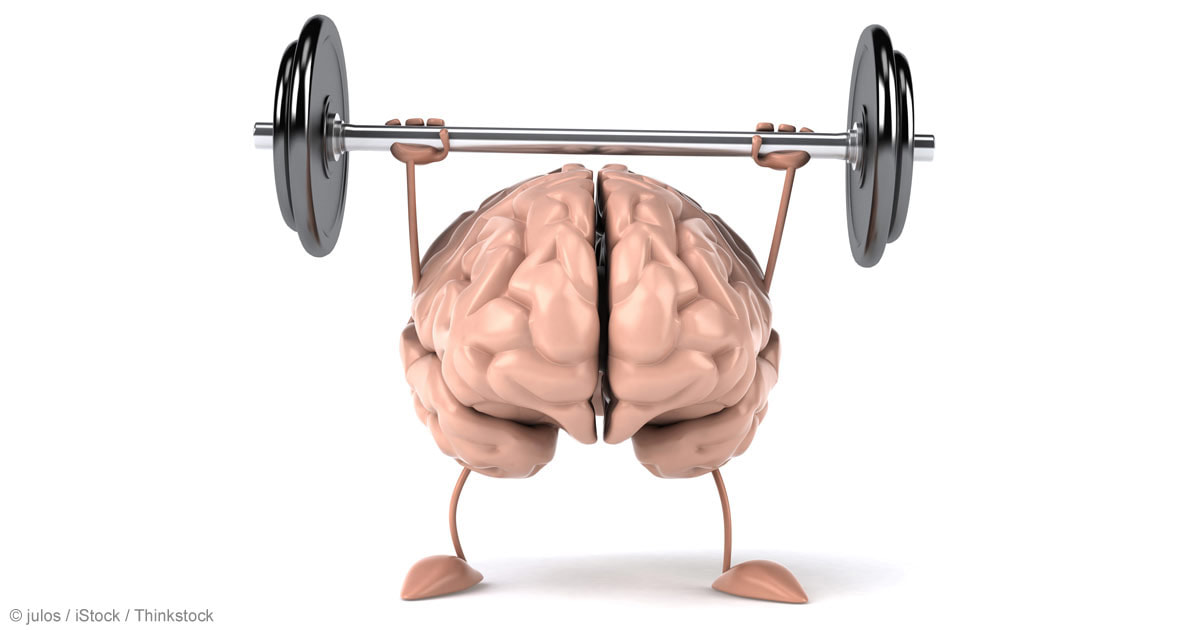 A recent study of the relation of physical activity to brain health revealed that regular exercise may decrease the risk of dementia, a disease causing memory loss. It found that older people had an almost 40% lower risk of dementia when they exercised regularly during the week for 30 minutes compared to those who were less active. Even after researchers examined factors that can affect memory and thinking ability, such as age, history of stroke, and diabetes, the benefits of physical activity on brain health was still evident. The majority of people studied were suffering from a form of dementia known as vascular dementia. Vascular dementia is related to inadequate blood flow in the brain. Since exercise increases blood flow throughout the body, this connection was undeniable. Maintaining brain health as you age can only be another benefit to add to the overwhelming health advantages of regular physical activity. Now, not only are you feeling happier, healthier and reducing your risk of heart attack and stroke, but you may also be decreasing your risk of dementia, especially the kind of dementia that is related to blood circulation. 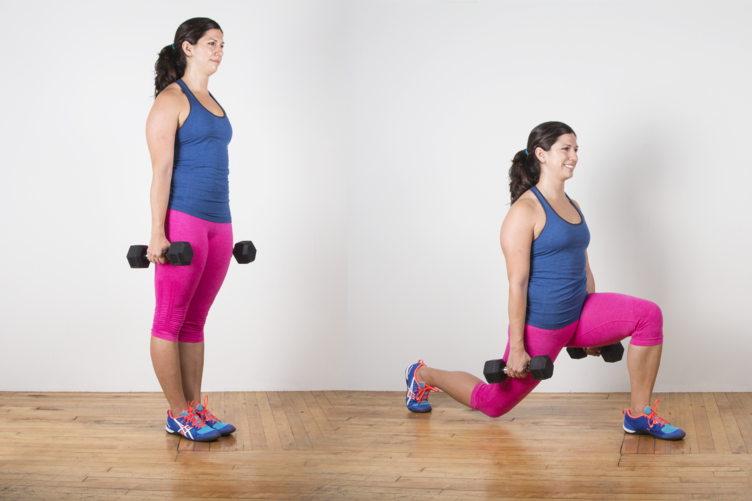 People of all ages and abilities can get important health benefits by doing regular strength training.
Benefits of strength training activities include:
Before trying a new exercise or a new exercise equipment, consult a physiotherapist or do research on how to correctly do the exercise or use the equipment. It is beneficial to consult a physiotherapist before starting any exercise routine. It is important to be aware of your current fitness level before starting any strength training program in order to avoid muscle soreness and injuries. Slowly and gradually increase reps, resistance and intensity overtime and remember to always warm up before beginning. |